Corrosion Engineering
Engineered corrosion control — from design through to verified performance
Corrosion Is Controlled Through Engineering
Corrosion is not controlled by products or standards alone — it is controlled through engineering. JST defines, designs, and verifies corrosion control strategies that perform under real operating conditions — focusing on material behaviour, environmental drivers, and long-term system performance, not just commissioning.
We deliver corrosion engineering as an integrated discipline — combining engineering, inspection, and chemical solutions into a single, coordinated approach.
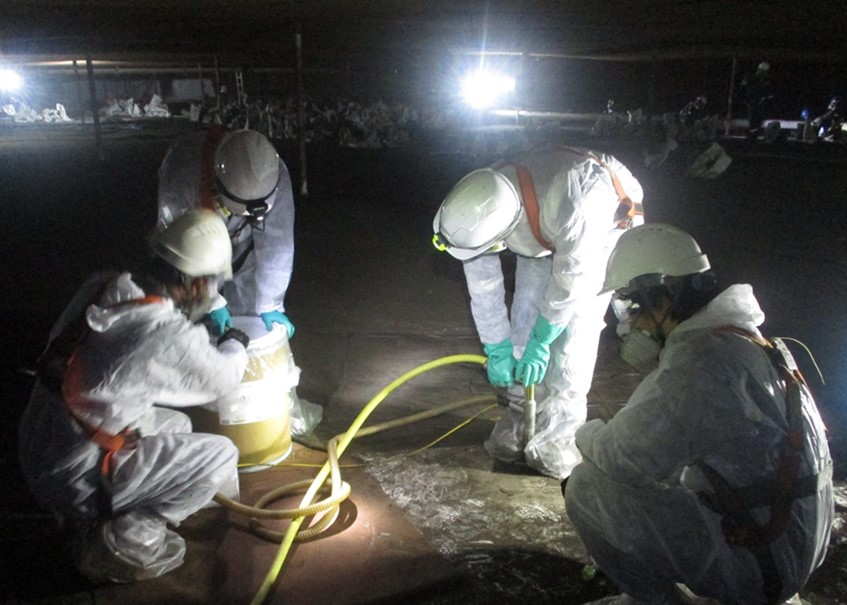
From Assessment to Protection
JST integrates analysis, monitoring, mitigation, and verification into one engineered framework — ensuring corrosion risks are fully understood, controlled, and managed across the asset lifecycle.
Analysis
Identify degradation mechanisms and risk factors
Monitoring
Deploy and validate real-time measurement
Mitigation
Engineer and implement control strategies
Verification
Confirm performance against design intent
Powered by Expertise. Strengthened by Partnership.
We combine in-house engineering capability with proven global technologies and specialist partners.
Specialty chemical solutions for oil and gas, including corrosion inhibitors and production chemicals
Visit Clariant
Asset integrity, RBI, and digital risk management solutions
We don't just define problems — we engineer, implement, and support solutions that deliver sustained asset integrity.
Five Core Capability Areas
Integrated corrosion engineering across the full lifecycle — from engineering data through to field verification.
CAD & Engineering Data Services
Building a reliable engineering foundation through accurate data and system definition
- Engineering drawings and asset registry
- Corrosion loop development and systematization
- Material take-off (MTO) and asset data
- Integrity and inspection data support
Material Engineering
Ensuring materials are fit-for-service under real operating conditions
- Metallurgical assessment and material selection
- Degradation mechanism evaluation
- Heat treatment services (PWHT, stress relieving, hardening, tempering)
- Fabrication and post-fabrication support
Corrosion Consultancy & Engineering
Defining and implementing effective corrosion control strategies
- Corrosion studies (design and operations)
- Integrity management and corrosion planning
- Risk assessments and RBI integration
- Monitoring and mitigation strategy development
- Specifications and procedures
- Failure analysis and root cause investigation
Chemical Solutions
Optimising corrosion control through engineered chemical programs
- Oilfield production chemicals (OPC)
- Well service additives (WSA)
- Corrosion inhibition programs and consultancy
- Corrosion protection systems for above-ground storage tanks using VpCI technology
Inspection & Field Services
Verifying performance through inspection and field execution
- Risk-Based Inspection (RBI)
- NDE and Direct Assessment (ICDA, ECDA)
- Online corrosion monitoring (probes and coupons)
- Field inspection and condition assessment
How It All Comes Together
Corrosion is not a one-time activity — it is continuously managed, verified, and improved throughout the asset lifecycle.
A continuous engineering workflow — where each stage informs and strengthens the next.
Experience That Translates to Reality
Decades of international project experience across pipelines, tank farms, offshore assets, and complex industrial plants. We understand the difference between theoretical design and actual field performance — and engineer accordingly.
AMPP Certified Specialists
Multidisciplinary engineering expertise
In-House Scientific Capability
- Risk-based inspection strategies aligned with real degradation mechanisms
- Optimised inspection planning focused on high-risk assets
- Root cause identification and corrective strategy development
- Application of standards based on actual operating conditions
- Corrosion control strategies validated in operation — not assumed at design stage
Aligned with International Standards
Applied to real environments — not theoretical assumptions.
Key Standards & Codes
Standards Bodies
Standards define the framework.
Engineering defines the outcome.
Where We Apply Our Engineering
Pipelines (Onshore & Offshore)
Oil, gas, petrochemical, and water systems
Storage Tanks & Terminals
Above and below ground structures
Process Facilities & Refineries
Pipelines, vessels, heat exchangers, and utilities
Power Generation
Cooling water systems and infrastructure
Marine & Offshore Structures
Platforms, jackets, jetties, and subsea assets
Engineered for Performance. Proven in Operation.
Our corrosion engineers are ready to evaluate your assets and design an integrated corrosion control strategy tailored to your operating environment.